


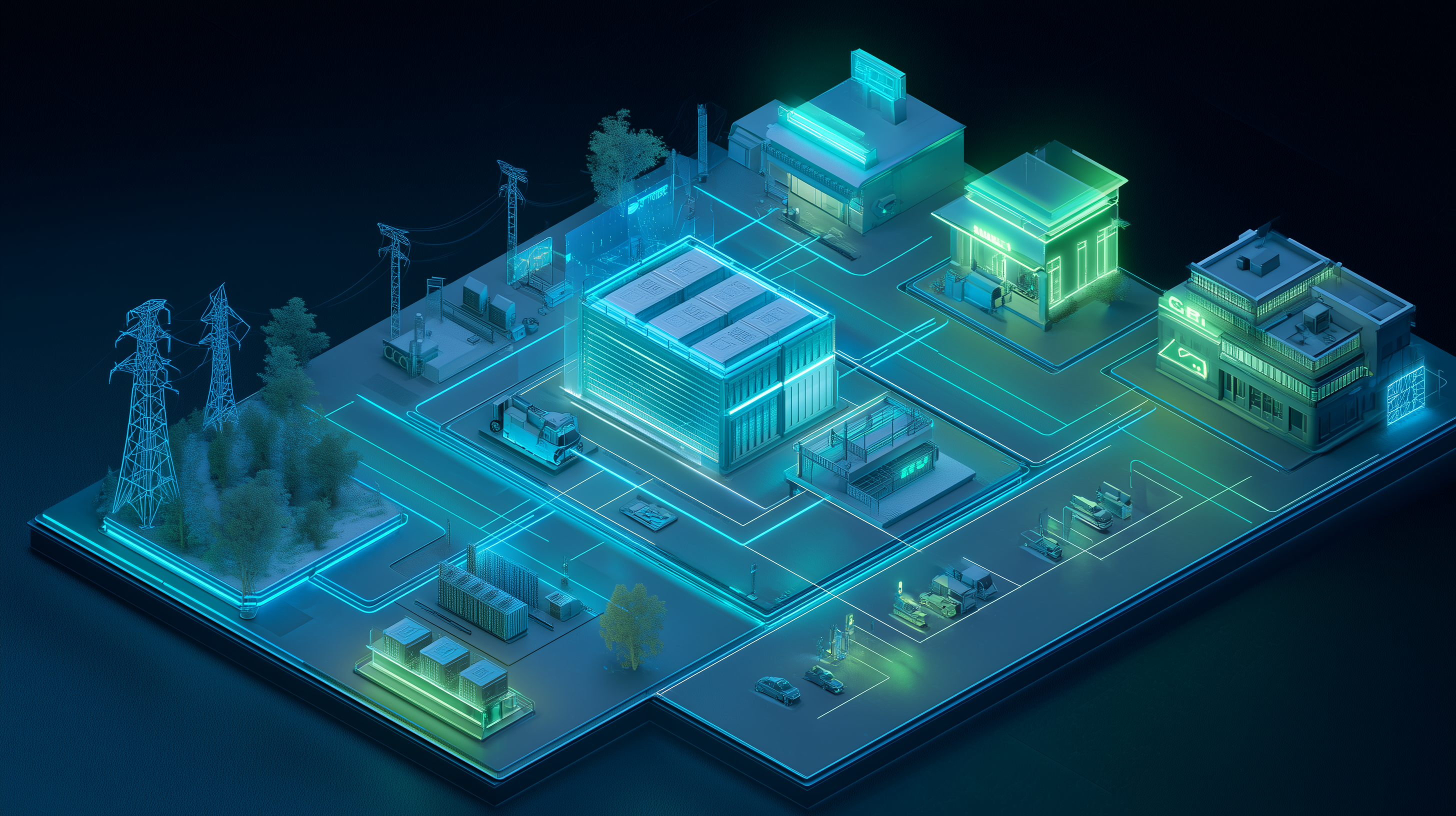
Electricity is the lifeblood of the modern economy. Our data‑heavy lifestyles, from streaming and social media to AI‑driven analytics, rely on vast hyperscale data centres that never sleep. Hospitals run life‑saving equipment around the clock, grocery stores must keep food chilled, and water treatment plants and telecommunications towers ensure public safety and connection. Yet the grid these services rely on is under enormous strain. Ageing infrastructure, surging demand and the growing share of intermittent renewables are widening the gap between generation and consumption.
Battery energy storage systems (BESS) have emerged as the critical bridge that keeps our digital and physical worlds running. They are no longer passive banks of energy; when paired with intelligent controls they become the nerve centre of a digital energy ecosystem. Electra’s EVE‑Ai platform sits at the heart of this transformation by turning raw storage into responsive, data‑driven assets that power everything from cloud computing to community microgrids. Throughout this article we explore how BESS, together with EVE‑Ai, support the grid and enable continuity across sectors.
The grid under strain and the rise of BESS
Demand for electricity is surging: U.S. data‑centre consumption is projected to quadruple between 2023 and 2030 as AI and hyperscale computing proliferate. At the same time, 52% of serious data‑centre outages originate from power events and costs often exceed $100k. To meet this demand while maintaining reliability, the global BESS market is expected to grow from $76.7 billion in 2025 to $172.2 billion by 2030, with installed capacity rising from 200 GWh to 1,200 GWh. BESS units have become high‑availability assets that deliver critical services in milliseconds and help utilities balance supply with demand. Key grid services include:
- Stabilising the grid – Storage responds in milliseconds to regulate frequency and voltage while providing operating reserves and black‑start capability, allowing operators to restart islands of the grid following outages.
- Optimising energy flows – By charging during off‑peak times and discharging during peaks, batteries shave peaks, reduce congestion, enable energy arbitrage and firm renewable output.
Battery systems are modular and scalable, allowing projects to be deployed quickly. Utility‑scale batteries enable data centres and industrial customers to speed up interconnection and ride through power curtailments, cutting years off project timelines. They also reduce peak demand charges, enabling businesses to advance in interconnection queues by relieving stress on the grid. In essence, BESS is not just a technology – it is the foundation for a flexible, renewable‑enabled power system.
Protecting critical infrastructure: real‑world examples
Mission‑critical sectors depend on uninterrupted power. BESS provides instantaneous backup and extended ride‑through, ensuring continuity even when the grid falters.
Data centres and cloud computing
Hyperscale data centres process massive workloads and cannot tolerate even brief interruptions. Traditional uninterruptible power supplies (UPS) provide a few minutes of backup. Modern BESS offer millisecond response and can sustain operations for hours, eliminating manual intervention and reducing the risk of cascading failures. Utility‑scale batteries also accelerate interconnection, allowing data centres to avoid long queues and operate under interruptible agreements because they can ride through grid power curtailments. With data‑centre electricity demand poised to quadruple, BESS is becoming indispensable.
Hospitals and emergency services
Hospitals, emergency response centres and 911 call centres cannot lose power without risking lives. BESS delivers instant backup power, stabilizes voltage and frequency and can isolate a facility from the grid, ensuring operations continue during outages. Immersion‑cooled battery systems further mitigate fire risk and improve safety.
Water treatment, utilities and communications
Water and wastewater treatment plants, telecommunications towers and remote microgrids rely on constant power. Energy storage allows these facilities to maintain operations during outages, participate in demand response and integrate renewables. Microgrids with BESS can island from the main grid to sustain critical loads during disasters.
Grocery stores and cold‑chain logistics
Energy‑intensive refrigeration is critical for groceries and cold‑chain logistics. A 2017 trial by Whole Foods used a thermal “refrigeration battery” to shift load away from peak hours. Running the system from noon to 6 p.m. saved 50-120 kW during peak hours, reducing peak load by about 40 % and keeping food cold during outages. This early example illustrates how storage improves resiliency and reduces costs for retailers.
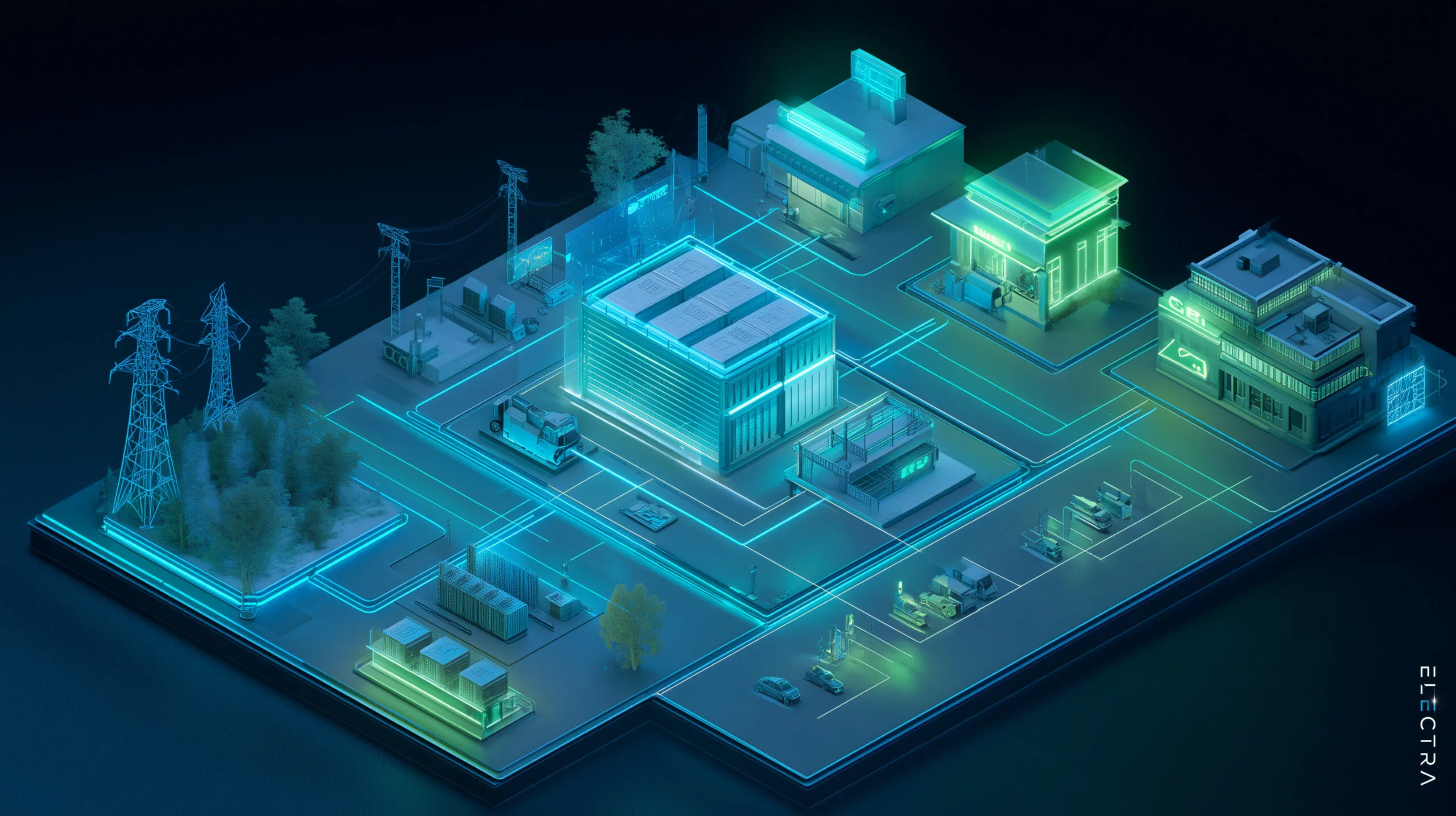
The business imperative: reliability, cost savings and grid services
For businesses and utilities, investing in BESS is not just a matter of keeping the lights on; it is a strategic decision that improves the bottom line. Key advantages include:
- Reduced demand charges and accelerated interconnection – By shaving peaks and delivering dispatchable power, batteries allow customers to secure interruptible interconnection agreements and avoid expensive upgrades.
- Participation in grid services – Batteries earn revenue by providing frequency regulation, spinning reserves and energy arbitrage, monetising assets while supporting grid stability.
- Deferred infrastructure upgrades – Storage reduces congestion and delays the need for new transmission lines or fossil peaker plants.
- Improved power quality and UPS replacement – Modern BESS react in milliseconds, stabilising voltage and frequency disturbances and eliminating the need for legacy UPS systems.
With the global BESS market poised to triple in value by 2030, adopting storage is becoming table stakes for companies seeking resilience and competitive advantage. However, adopting storage alone is not enough – batteries need continuous monitoring and optimisation to perform at their best and maximise returns, and that’s where EVE-Ai comes in.
EVE‑Ai: Unlocking the full potential of BESS
Battery systems are complex, expensive assets that must operate flawlessly for decades. Electra’s EVE‑Ai solution turns these assets into intelligent systems by embedding advanced analytics, machine learning and adaptive controls. Unlike simple monitoring software, EVE‑Ai is designed to make BESS smarter, safer and more profitable.
- Real‑time analytics and predictive maintenance – EVE‑Ai Battery Fleet Analytics provides real‑time visibility across entire fleets and uses predictive analytics to anticipate failures weeks or months in advance. This predictive maintenance reduces downtime by up to 40 %, extends battery life by up to three years and delivers an average return on investment (ROI) of 143 %.
- Adaptive controls and high‑accuracy state estimation – The AI‑driven battery‑management system dynamically adjusts to operational conditions, delivering state‑of‑charge (SoC) accuracy <1 % and state‑of‑health (SoH) error <3 %. Accurate insights enable operators to maximise usable capacity without over‑discharging or prematurely ageing the battery.
- Early fault detection and safety – EVE‑Ai continuously learns degradation patterns and detects anomalies before they become critical, reducing fire risk and improving safety. Immersion‑cooled systems paired with AI further improve safety by eliminating thermal runaway.
- Data‑driven optimisation – By analysing grid prices, renewable output and site demand, EVE‑Ai optimises charge/discharge schedules to monetise grid services and reduce energy costs.
- Comprehensive ROI – Reduced downtime, extended asset life, lower maintenance costs (up to 30 % reduction ) and enhanced revenue streams make EVE‑Ai a strategic investment rather than a discretionary add‑on.

Making the case: Why EVE‑Ai is a must‑have
Without advanced analytics, battery operators are flying blind. Real‑time data, predictive maintenance and adaptive controls transform BESS from simple storage into dynamic assets that respond to grid conditions, optimize revenue and avoid costly failures. Given that data‑centre outages can exceed $1 million and that storage systems themselves are multi‑million‑dollar investments, the risk of operating without AI‑driven oversight is unacceptable. EVE‑Ai provides the intelligence needed to ensure BESS delivers on their promise of reliability and profitability.
Conclusion
Battery energy storage systems are the unsung backbone of our digital and physical world. They bridge the gap between intermittent renewable generation and ever‑rising demand, ensuring that our data centres stay online, our hospitals keep saving lives, our grocery stores maintain the cold chain and our water and communications infrastructure never falter.
As electrification accelerates, storage capacity and market value are skyrocketing. Yet the complexity and cost of these assets require sophisticated management.
EVE‑Ai transforms batteries into intelligent, self‑optimising systems that maximise uptime, improve safety and deliver attractive returns. In a world where power reliability is mission‑critical, AI‑powered battery management is not just “nice to have”, it is essential.